
TunedRides
TunedRides
Upload your car photo and generate photoreal AI renders in 30 seconds for widebody, stance, slammed, JDM, wraps, and color changes.
Listing signals
Domain rating
5
Domain rating is Ahrefs' measure of domain quality according to links.
Popularity
Low
Page views, clicks to the site and upvotes in the last 30 days, ranked against every live listing.
About tool
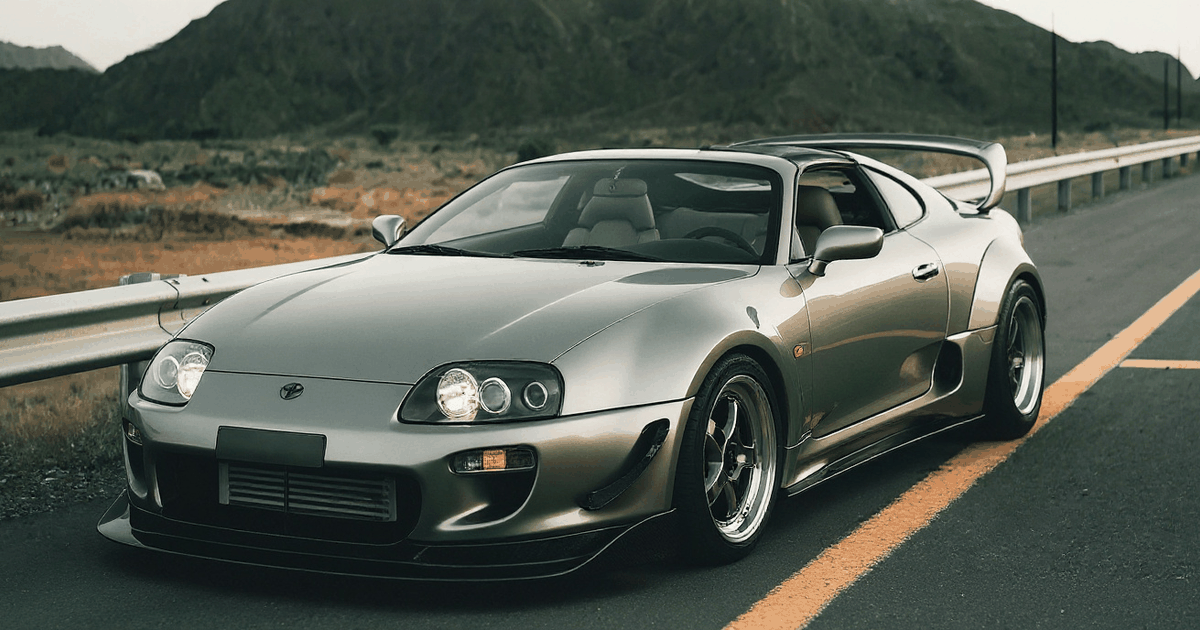
TunedRides turns your own car photo into photoreal modification renders in about 30 seconds. Upload an image, pick a build style, and see how the look fits your exact body lines—widebody kits, stance builds, slammed setups, JDM style, drift builds, custom wraps, and color changes.
Start free with your first render (no sign-up or credit card) and a watermarked preview. Want sharper, watermark-free downloads and more output per month? Upgrade to Pro for HD 4K renders and additional pro tools.
Use TunedRides to visualize direction before you spend money, compare multiple variations side by side, and share results as a visual brief with your shop. Renders are for visualization and design intent—not an engineering drawing or a measurement/fitment guarantee—so review the output before purchasing decisions.
How fast are TunedRides renders after I upload a photo?
Renders take about 30 seconds after you upload your car photo and choose a style.
Do I need an account or a credit card to try TunedRides?
No—your first render is free and doesn’t require sign-up or a credit card. Creating a free account unlocks additional free renders.
What styles can I generate on my car photo?
You can render widebody kits, stance builds, slammed cars, JDM style, drift builds, custom wraps, color changes, and an off-road/lifted option listed in the styles.
What photo should I upload for the most accurate-looking result?
A three-quarter front angle works best for most modifications, and side-on can work well for stance renders. Any modern smartphone photo is typically sufficient, and higher resolution helps.
Are TunedRides renders meant for exact measurements or fitment guarantees?
No. Treat renders as visualization for design intent and communication, not engineering blueprints. Review the render before making purchasing decisions.
Can wrap shops use TunedRides for client previews?
Yes. Wrap shops can generate previews of proposed wrap or paint looks on the client’s actual car before committing to a paid install.